Welcome to Song Real Estate: Your Premier Real Estate Partner in Lane, Linn and Benton County, Oregon

Your Home's Symphony Begins Here with Song Real Estate

At Song Real Estate, we're more than just a real estate company—we're your trusted collaborators in the journey of buying or selling real estate. Focused on the vibrant communities of Lane, Linn, and Benton County, Oregon, our company is dedicated to making your real estate experience as harmonious as a well-composed song.

Your Melodic Exploration Awaits

Discover the Unique Notes of Lane, Linn, and Benton County

Each county has its own distinctive melody, and we're here to help you find the perfect tune for your lifestyle. Whether you're captivated by the scenic beauty of Lane County, the welcoming communities of Linn County, or the charm of Benton County, our expertise spans the entirety of this diverse region.

Committed to Crafting Your Real Estate Harmony

Navigating the real estate market can feel like composing a symphony, and Song Real Estate is here to ensure your experience is a symphony of success. Our team of seasoned real estate professionals are committed to providing personalized and comprehensive service, tailored to your unique needs and goals.

Unlock the Full Potential of Your Property

If you're considering selling, Song Real Estate is your key to unlocking the full potential of your property. Our innovative marketing strategies and deep understanding of the local market ensure your home gets the attention it deserves, reaching the right audience and maximizing its value.

What Sets Song Real Estate Apart?

Local Expertise that Resonates

Our company's local expertise is the driving force that sets us apart. With an intimate knowledge of Lane, Linn, and Benton County, we guide you through the intricacies of each community, helping you make well-informed decisions that resonate with your goals.

A Proven Record of Success

Song Real Estate consistently hits the right notes with a track record of successful transactions and satisfied clients. We take pride in being a reliable and trustworthy partner on your real estate journey.

Community-Centric Approach

As ardent community enthusiasts, we're not just selling homes; we're helping you find your place within the heart of a neighborhood. Our community-centric approach ensures that your home isn't just a property but a cherished part of the vibrant tapestry of Lane, Linn, and Benton County.

Explore Our Melody Blog

Stay attuned to the latest in Lane, Linn, and Benton County real estate with our Melody Blog. From market insights to local events and home improvement tips, our blog is your go-to resource for staying informed and inspired.

Let the Song Begin

Whether you're looking to buy, sell, or simply explore, let Song Real Estate be the conductor of your real estate journey. Your dream home or ideal buyer is waiting to be discovered, and we're here to orchestrate the perfect melody for you.

Commence your harmonious real estate experience with Song Real Estate today. Contact us to embark on your journey to finding or selling your perfect home in Lane, Linn, and Benton County, Oregon.

Call Song Real Estate Today!

541-935-8855


Jan. 8, 2025

Hidden Costs of Buying a Home You Need to Know

Buying a home is one of life’s most significant milestones. While most buyers focus on the listed price, closing the deal often comes with unexpected expenses that can catch even the savviest buyers off guard. Understanding these hidden costs can help you prepare financially and avoid unpleasant surprises. In this post, we’ll explore the less obvious expenses of homeownership, from upfront fees to ongoing costs, so you can make a well-informed decision.

The True Cost of Buying a Home When budgeting for your dream home, the price tag you see isn’t the only number to consider. Additional expenses can add up quickly, making a significant dent in your savings. Below are some of the hidden costs every homebuyer should know about.

1. Closing Costs Closing costs are a bundle of fees paid at the finalization of the real estate transaction. These fees typically range from 2% to 5% of the home's purchase price. Some common components of closing costs include: ● Loan Origination Fees: Charged by the lender for processing your loan. ● Appraisal Fees: Paid to assess the market value of the property. ● Title Insurance: Protects you and the lender from disputes over ownership. ● EscrowFees: Cover the cost of a third party managing the closing process. * Realtor fees can be negotiated however, they may also be a fee you are responsible for.

Tip: Request a breakdown of estimated closing costs from your lender early in the process to avoid surprises.

2. Home Inspection and Survey Fees Before closing, a home inspection is essential to identify any structural or mechanical issues. Additionally, a property survey might be needed to verify boundaries and identify potential disputes. ● Inspection Costs: Typically range from $300 to $500. ● SurveyFees: May cost $400 to $700, depending on the property size and location.

Tip: While these expenses might seem optional, skipping them can lead to costly repairs or legal disputes down the road.

3. Moving Expenses Moving to a new home involves more than renting a truck. The costs can include: ● Hiring professional movers. ● Packing supplies like boxes, tape, and protective materials. ● Temporary storage solutions if your move is staggered.

Tip: Plan your move during the off-season (fall or winter) to secure better rates from moving companies.

4. Property Taxes Property taxes are ongoing expenses that vary based on your home’s assessed value and local tax rates. While lenders often include taxes in your monthly mortgage payments, it’s essential to budget for potential increases over time.

Tip: Research the property’s tax history and check if the area has upcoming assessments or tax hikes.

5. Homeowners Insurance is a must to protect your investment from unforeseen events like fires, storms, or theft. Premiums depend on factors like location, property value, and coverage levels. Additionally, if you’re in a flood or earthquake-prone area, you may need supplemental policies, which can be costly.

Tip: Shop around for insurance quotes and consider bundling policies to save money. 6. Private Mortgage Insurance (PMI) If your down payment is less than 20%, lenders typically require private mortgage insurance to protect themselves in case of default. PMI can add hundreds of dollars to your monthly payments until you build sufficient equity.

Tip: Shop around for insurance quotes and consider bundling policies to save money.

6. Private Mortgage Insurance (PMI) If your down payment is less than 20%, lenders typically require private mortgage insurance to protect themselves in case of default. PMI can add hundreds of dollars to your monthly payments until you build sufficient equity.

Tip: Aim to save at least 20% for a down payment to avoid this extra cost.

7. HOA Fees and Community Costs Homes in planned communities or condominiums often come with homeowners association (HOA) fees. These fees cover shared amenities, landscaping, and maintenance but can range from $100 to several hundred dollars monthly.

Tip: Review HOA rules and fees carefully before purchasing to ensure they align with your budget and lifestyle.

8. Utility Setup and Maintenance Costs Once you move in, you’ll need to budget for setting up utilities such as electricity, water, internet, and gas. Additionally, ongoing maintenance costs like landscaping, HVAC servicing, and minor repairs can add up.

Tip: Keep an emergency fund specifically for home maintenance to handle unexpected issues.

9. Furnishing and Upgrades New homes often require new furniture or upgrades to meet your preferences. Whether it’s purchasing appliances, painting walls, or remodeling a kitchen, these costs can climb quickly.

Tip: Prioritize essential purchases and spread out upgrades over time to manage expenses.

10. Unexpected Repairs Even with a thorough inspection, unforeseen repairs can arise. A leaking roof, faulty plumbing, or electrical issues are common problems that homeowners face.

Tip: Consider purchasing a home warranty, which can cover major repairs and replacements for a set period. 

The key to managing the hidden costs of homeownership is preparation. Here are some actionable steps to help you navigate the process:

1. Create a Detailed Budget: Account for all potential costs, including down payment, closing costs, and ongoing expenses.

2. DoYour Research: Understand the property’s history, neighborhood trends, and associated fees.

3. Consult Professionals: Work with a trusted real estate agent and financial advisor to ensure no detail is overlooked.

4. Build an Emergency Fund: Set aside 1% to 3% of your home’s value annually for maintenance and repairs.

Final Thoughts Buying a home is a rewarding but complex process, and being aware of the hidden costs can save you from financial stress. By planning ahead and budgeting for these expenses, you’ll be better equipped to enjoy your new home without surprises. What hidden costs surprised you the most? Share your experiences in the comments below or explore our other articles on homeownership tips and financial planning to learn more!


Jan. 8, 2025

The Best Home Improvements for 2025


When considering home improvements in 2025, some updates are known for their high return on investment. Here are the top choices: 

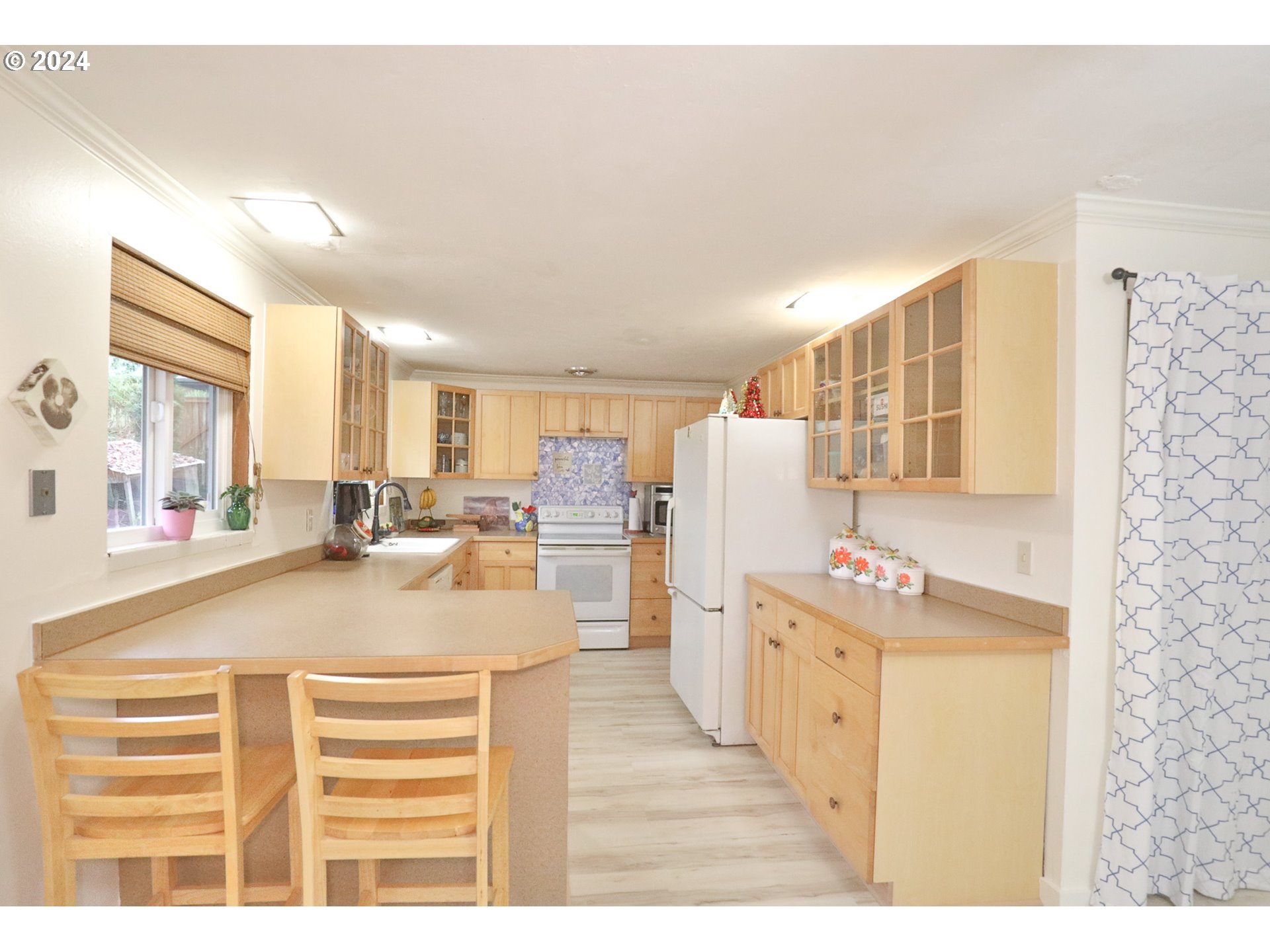
Kitchen Remodel: Upgrading the kitchen with new countertops, cabinets, and appliances can recoup around 50-70% of the investment. A modern kitchen is one of the most significant factors in home value appreciation.  If you are tight on funds, a simple paint job and new hardware can even help make a nice update for your home.

Bathroom Renovation: Bathroom remodels offer a return on investment of approximately 50-60%. Upgrading fixtures, adding new tiles, or even expanding the space can make a significant difference in appeal and market value. 

Energy Efficiency Updates: Installing energy-efficient windows, doors, or insulation can save money on utility bills and add value to the home. These upgrades offer a good ROI, especially in a market where sustainability is increasingly important. 

Outdoor Improvements: Enhancing curb appeal with landscaping, paving, or a new deck can recover around 50-60% of the cost. Adding outdoor living spaces or improving gardens can also attract buyers. 

Basement or Attic Conversions: Converting underutilized spaces into functional living areas such as home offices, gyms, or additional bedrooms can have a high ROI, with conversions often recouping 50-80% of the investment. 

Paint, paint and more paint.  A fresh coat of paint can really go a long way as you prepare to improve your home in 2025.   I recommend neutral colors that others will enjoy and that are not shocking.

Investing wisely in home improvements can significantly boost the value of a property. For more detailed insights on ROI for home improvements, check out NerdWallet and Realtor.com. #HomeImprovements #RealEstate #ROI #Renovations.


This is an example of how a home improvement can make a major impact.  

These are before and after pictures of a kitchen in Eugene, Oregon.  The seller finally convinced herself to spend a little on flooring, paint and updating her kitchen and dining room areas.


( Before)


(After)

Dec. 9, 2024

3 Easy Tips to Help Sell Your Oregon Home This Winter


Here are three easy tips to help sell your Oregon home this winter.

Tip #1 is to stage your home with a touch of warmth. Buyer will be coming in from the cold weather and will appreciate the feeling of warmth in a comfortable environment.

Tip #2 - ensure your curb appeal looks great! Ensure slick leaves are picked up, potholes in your driveway, a new doormat, a wreath on the front door, fresh door paint and good lighting if the showing is occurring later in the evening are all helpful.

Tip #3- if you are still living in the home please be flexible with your showing schedule. During the holiday season buyers are busy working, dealing with family, shorter days and poor driving conditions. Being flexible and accommodating is helpful for those out viewing your home this winter.


As always, thank you for watching!

Arica Mitchell

Owner & Realtor of Song Real Estate

Phone: 541-935-8855


Nov. 17, 2024

7 Must-Have Apps for New Homeowners

We live in a fast-paced, digital world. Most home buyers start their search online and many rely on apps throughout the process. So, it makes sense that once they have the keys, they continue to look for technology to help them create and maintain their new home. Here are some must-have apps to help new homeowners enjoy a hassle-free experience with their new property.

1. Centriq – A home management app that helps homeowners organize, operate, and maintain systems and appliances. Add appliances/devices by uploading model numbers and getting access to features, fix-it guides, and product recalls.

2. HomeZada – A digital management system that allows the user to track their home’s equity, insurance, and mortgage. It includes a home value forecaster tool as well.

3. NextDoor – A neighborhood networking app that helps new homeowners get involved in their local community. Provides access to local community members to get recommendations for service providers, community events, and emergency information.

4. HomeStyler – A digital interior design tool that helps homeowners envision changes to their homes. Capture photos of the home to “try out” new designs and décor products.

5. TaskRabbit - This app connects homeowners with freelance taskers who perform services such as decluttering, TV mounting, babyproofing, packing, and much more.

6. Vivint Smart Home – A home security system that allows you to connect smart locks, doorbell cameras, thermostats, garage door openers, and any other smart device onto one app, instantly available on a mobile device.

7. FEMA App – The FEMA app allows the user to receive real-time weather and emergency alerts for up to five locations. It also can help locate a local shelter if the homeowner needs to evacuate. Technology has impacted the way we do most everything. New homeowners can take advantage of the many apps available to ensure their new home is everything they want it to be.

Nov. 17, 2024

How to Sell a Home in a Flood Zone

Selling a home in a flood zone can be a complex process, but with the right approach, you can navigate the challenges effectively. Whether you're moving for personal reasons or looking to capitalize on a new opportunity, understanding the unique aspects of flood zone properties can help you make informed decisions.

1. Understand Flood Zone Designations Familiarize yourself with the flood zone designation of your property. The Federal Emergency Management Agency (FEMA) categorizes flood zones, and each designation comes with different levels of risk. Knowing whether your home is in a high-risk area (like a Special Flood Hazard Area) or a low-risk zone can impact your selling strategy.

2. Disclose Information Honestly Transparency is crucial when selling a flood zone home. Most states require sellers to disclose any history of flooding or water damage. Being upfront about these issues can build trust with potential buyers. Consider highlighting any improvements made to mitigate flood risks, such as elevating the home or installing a sump pump.

3. Emphasize Mitigation Measures Showcasing flood mitigation measures can make your property more appealing. Discuss any flood-proofing improvements, such as new drainage systems, flood vents, or landscaping designed to direct water away from the home. These enhancements not only demonstrate your commitment to protecting the property but can also reassure buyers about their potential investment.

4. Work with Experienced Professionals Engage with real estate professionals who have experience in flood zone properties. A knowledgeable agent can help you navigate the market, set a competitive price, and develop effective marketing strategies. They can also connect you with local experts, such as flood insurance agents, to address buyers' concerns.

5. Educate Potential Buyers Educate potential buyers about living in a flood zone. Provide information on flood insurance options and local flood response plans. Highlight the community's preparedness and any recent improvements made by local authorities to enhance flood resilience. This information can alleviate concerns and help buyers feel more confident in their decision.

6. Consider Timing and Marketing The timing of your sale can impact your success. Typically, homes sell faster during peak real estate seasons, so plan your listing accordingly. When marketing your home, focus on the positives: the unique features of the property, the neighborhood amenities, and the lifestyle benefits of living in the area.

Conclusion Selling a home in a flood zone requires careful consideration and a proactive approach. By being transparent, highlighting mitigation measures, and educating potential buyers, you can turn potential challenges into selling points. With the right strategy and support, you can successfully navigate the process and achieve your selling goals.

There are several local insurance companies in the Lane County area that offer reasonable rates on flood insurance.  Feel free to contact me if you need assistance locating them.  Arica Mitchell, Song Real Estate 541-935-8855

Oct. 31, 2024

Down Payment Give and Who Can Give it?

What is a Down Payment Gift and Who Can Give it?


When it comes to buying a home, one of the most significant hurdles many first-time buyers face is the down payment. However, a down payment gift can alleviate some of that burden. Understanding what a down payment gift is and who can provide one can make the home-buying process more accessible. What is a Down Payment Gift? A down payment gift is a sum of money given to a homebuyer to help cover the down payment on a property. This financial assistance can come from various sources, and it does not need to be repaid. Typically, down payment gifts are used by first-time homebuyers or those who may not have enough savings to cover the upfront costs of purchasing a home. Key Features of Down Payment Gifts 1. No Repayment Required: Unlike loans, down payment gifts do not have to be paid back. This can significantly ease the financial strain on buyers. 2. Documentation Required: Lenders often require documentation to confirm that the funds are indeed a gift, not a loan. This can include a gift letter from the donor stating the relationship to the buyer and confirming that the funds are a gift. 3. Source of Funds: Many lenders may also ask for proof of where the gift funds are coming from to ensure they are legal and legitimate. WhoCanGive a DownPayment Gift?Several individuals or entities can usually provide down payment gifts, depending on the lender requirements and terms. Here are some common sources:

1. Family Members Family members are the most common source of down payment gifts. Parents, grandparents, siblings, and other relatives can provide financial assistance to help their loved ones achieve homeownership.

2. Close Friends In some cases, close friends may also contribute to a buyer's down payment. However, this is less common and may require additional documentation to clarify the nature of the gift.

3. Employers Some companies offer down payment assistance programs as part of their employee benefits. Employers may provide gifts or grants to help employees with their home purchase.

4. Non-Profit Organizations Certain non-profit organizations are dedicated to helping individuals and families achieve homeownership. They may offer down payment gifts, grants, or assistance programs tailored for specific communities or demographics.

5. Government Programs Various government programs exist to assist first-time homebuyers, including down payment assistance in the form of gifts. These programs can vary by state or locality, so it’s essential to research what's available in your area.

Benefits of Down Payment Gifts

1. Increased Buying Power: With a down payment gift, buyers can increase their purchasing power, allowing them to qualify for a mortgage they might not have been able to secure otherwise.

2. Lower Monthly Payments: A larger down payment can lead to lower monthly mortgage payments and potentially eliminate the need for private mortgage insurance (PMI).

3. Access to Better Loan Terms: Putting down a substantial amount can improve a buyer's chances of securing better loan terms, such as lower interest rates.


Conclusion A down payment gift can be a valuable resource for homebuyers, especially those navigating the challenging waters of purchasing their first home. Understanding the concept of down payment gifts and knowing who can provide them can help buyers leverage this financial assistance effectively. If you’re considering a down payment gift, it’s wise to communicate with your lender about their requirements and ensure all necessary documentation is in order. With the right support, achieving homeownership can be a more attainable goal. 

Call me if you think you might have a source for a down payment gift.  I have a couple local lenders who I work with on the daily basis than can help answer any questions you migth have about this opportunity.  

Song Real Estate, Arica Mitchell 541-935-8855

Oct. 7, 2024

What Comes With The House I am Buying?


When buying or selling a home, there is a lot going on. It can be easy to get caught up in the process and activity and overlook details that are important. One of the most overlooked issues is to define what comes with the home. Certain items, particularly fixtures and appliances, can be areas of confusion and should be clearly discussed in the contract.

Here are a few examples: · Fixtures– Fixtures are items attached to the property and typically transfer with the home. These include window treatments, built-in shelving, and lighting fixtures.  Curtain rods, and items that are "nailed" down to the property·

Appliances– Appliances can be confusing. Anything built-in transfers with the home, but others such as the refrigerator, washer/dryer, or stand-alone stove might not.  Make sure to include these in your offer to purchase.

Personal Property– This is an area that can cause confusion. It’s assumed that furniture is owned by the sellers, but what about a room air conditioning unit? If there’s anything the buyer wants, they should be clear in the contract.

Outdoor Items– Items like sheds, outdoor furniture, BBQs, hot tubs and plays

ets should be addressed in the contract. They may not be automatically included in the contract. There are many aspects of a real estate transaction that can be negotiated. The focus typically tends to be on price, loan, payments, and other financial considerations. This is normal. However, taking a step back to consider the expectations of what other items transfer with the home can avoid disappointment and conflict.


July 24, 2024

Avoiding Sky-Rocketing Homeowners Insurance Rates


Avoiding Sky-Rocketing Homeowners Insurance Rates


If you're a homeowner, you're likely aware of the rising costs of homeowners insurance in recent years. Factors like wildfires, hurricanes, floods, and other natural disasters have prompted insurance companies to significantly hike premiums. However, there are steps you can take to potentially lower these costs. Here are some tips to help you manage your expenses:

  1. Shop Around: It may sound simple, but comparing quotes from different insurance companies can save you money. Many insurers offer competitive rates to attract new customers.

  2. Increase Deductibles: If your finances allow, consider raising your deductibles. A higher deductible means lower premiums, as you'll pay more out-of-pocket in the event of a claim. Assess what you can comfortably afford to pay.

  3. Check for Discounts: Inquire with your insurance provider about available discounts. Discounts are often available for measures like enhanced home security systems, fire detection systems, and certain home improvements such as a new roof or fire-resistant landscaping. Long-term policyholders and senior citizens may also qualify for discounts.

  4. Improve Your Credit: Surprisingly, your credit score can impact your home insurance costs. Insurers may view a higher credit score as a sign of financial stability, potentially reducing your premiums.

  5. Bundle Policies: Consider consolidating your insurance policies with one provider. Bundling your home, auto, and other policies can often lead to significant savings across the board.

As prices rise across various aspects of life, including insurance, it's wise to prioritize ensuring your financial health. While cutting discretionary expenses like movie nights or weekend trips might help, homeowners insurance remains crucial. Take the time to review your policy and explore these strategies to make sure you're getting the best value for your insurance investment. These steps can help you manage and potentially reduce your homeowners insurance costs effectively.

July 12, 2024

Should You Offer Financial Concessions when Selling?


When preparing to sell your home, the question of financial concessions inevitably arises. These concessions can take various forms such as credits for closing costs, repairs, or upgrades, and they can significantly impact your ability to attract buyers, especially if your home isn't in pristine condition. However, it's crucial to weigh the benefits against the potential reduction in your sale's profit before making any decisions.

Firstly, it's essential to gauge the current market conditions. In a buyer's market—where there's an excess of homes for sale relative to the number of buyers—offering financial concessions can make your property more enticing to potential buyers. Conversely, in a seller's market, where demand exceeds supply, such concessions may not be necessary to attract offers.

Secondly, evaluate the condition of your home compared to others on the market. If your property requires repairs or updates that could deter buyers, offering financial incentives upfront might make your listing stand out. Buyers often have their own ideas for upgrades, and providing funds for these changes could sway them towards choosing your home over others.

Lastly, consider your timeline and selling goals. If you're looking to sell quickly and have enough equity to offer substantial concessions, doing so could expedite the sale process. Strategic discussions with your real estate agent are crucial in determining the appropriate level of concessions. In a sluggish market, offering concessions might be the deciding factor between a swift sale and your property lingering unsold.

Understanding the impact of financial concessions allows you to maximize your chances of a successful sale. It's a strategic tool that should be carefully considered and tailored to fit both market conditions and your personal objectives. By weighing these factors thoughtfully, you can make informed decisions that align with your selling goals and financial expectations.

June 2, 2024

Top 5 Things That Home Inspectors Look For During Home Inspections


Ever wondered what home inspectors focus on during an inspection? 🕵️‍♂️ Here are the top five things they scrutinize and why it matters to you as a home seller:

  1. Structural Integrity:

    • Why it Matters: Ensuring your home’s foundation is solid is crucial for its overall stability and value.
    • Impact: Any issues discovered could deter buyers or lead to costly repairs, affecting the sale.
  2. Electrical Systems:

    • Why it Matters: Safe and functional electrical systems are a must-have for any home buyer.
    • Impact: Addressing issues beforehand ensures a smooth sale process and avoids potential safety hazards.
  3. Plumbing:

    • Why it Matters: A leaky pipe or faulty plumbing can quickly turn into a major headache for buyers.
    • Impact: Fixing plumbing issues upfront enhances your home’s appeal and reduces the likelihood of negotiation setbacks.
  4. Roof Condition:

    • Why it Matters: A well-maintained roof protects your home from the elements and adds to its curb appeal.
    • Impact: Ensuring your roof is in good condition helps instill confidence in potential buyers and prevents last-minute repair negotiations.
  5. HVAC Systems:

    • Why it Matters: A properly functioning HVAC system is essential for maintaining a comfortable living environment.
    • Impact: Addressing any issues with your heating and cooling systems upfront demonstrates proactive maintenance and can lead to a smoother closing process.

Do you have any questions regarding home inspections? Let us know in the comments! #HomeInspection #SellingTips #RealEstateExpert #SongRealEstate